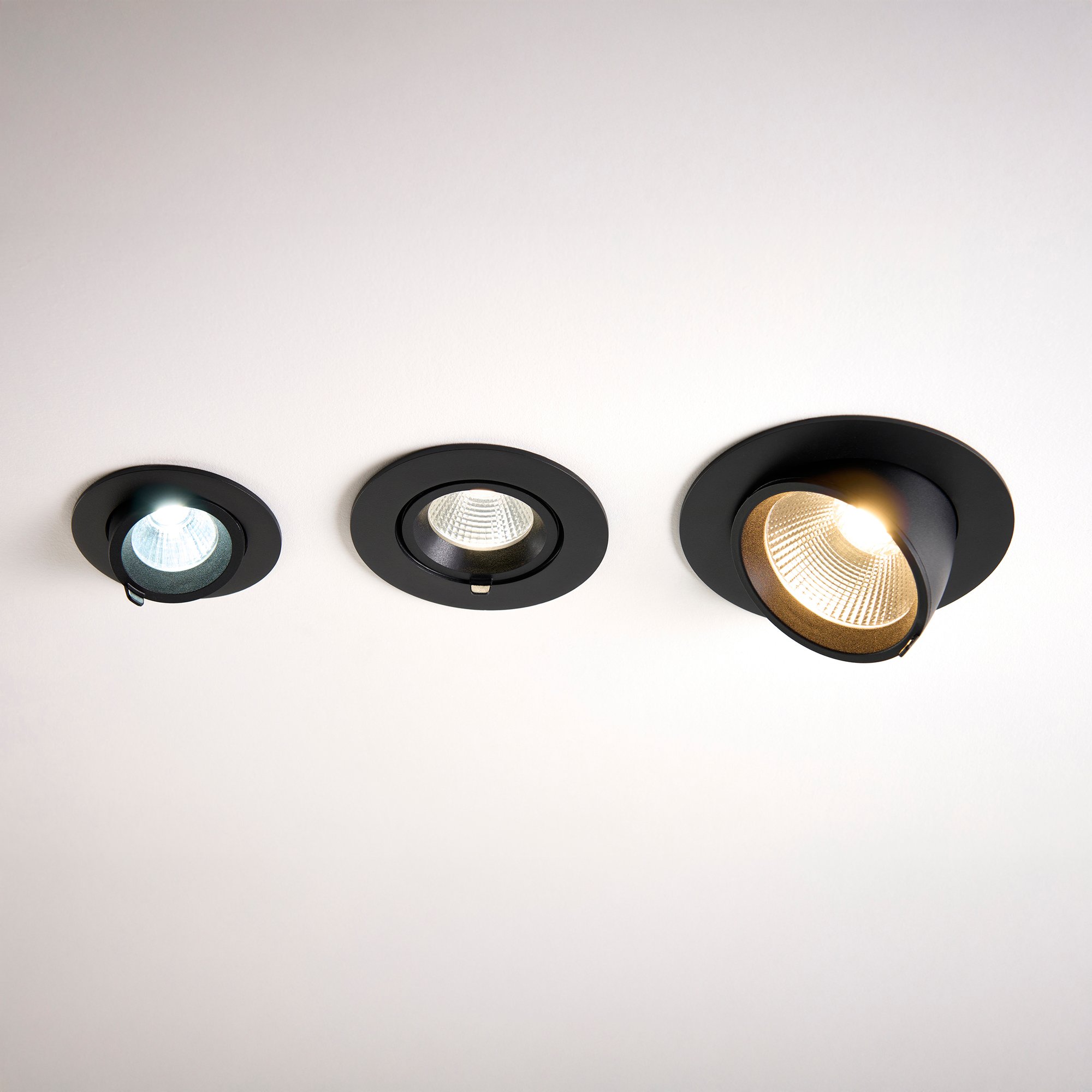
Two bulbs can fit the same light and give a room a completely different feel. The difference is colour temperature - how warm or cool the white light looks - and it is measured in kelvin (K).
The Scale in Plain English
- 2200K
- 2700K
- 3000K
- 4000K
- 5000K
- 6500K
- Warm white
- Cool white
- Daylight
Scroll sideways to see the whole table.
| Kelvin | Looks like | Best for |
|---|---|---|
| 2200K - 2700K | Warm white: soft, golden, like an old filament bulb | Living rooms, bedrooms, dining rooms |
| 3000K | Warm white with a little more clarity | Kitchens, hallways, bathrooms |
| 4000K | Cool white: crisp and neutral | Utility rooms, garages, task areas |
| 5000K - 6500K | Daylight: bright, blue-ish | Workshops, and where colour accuracy matters |
The lower the number, the warmer the light.
Which to Choose, Room by Room
- Living rooms and bedrooms: 2700K or lower. Warm light helps a room feel relaxed, especially in the evening.
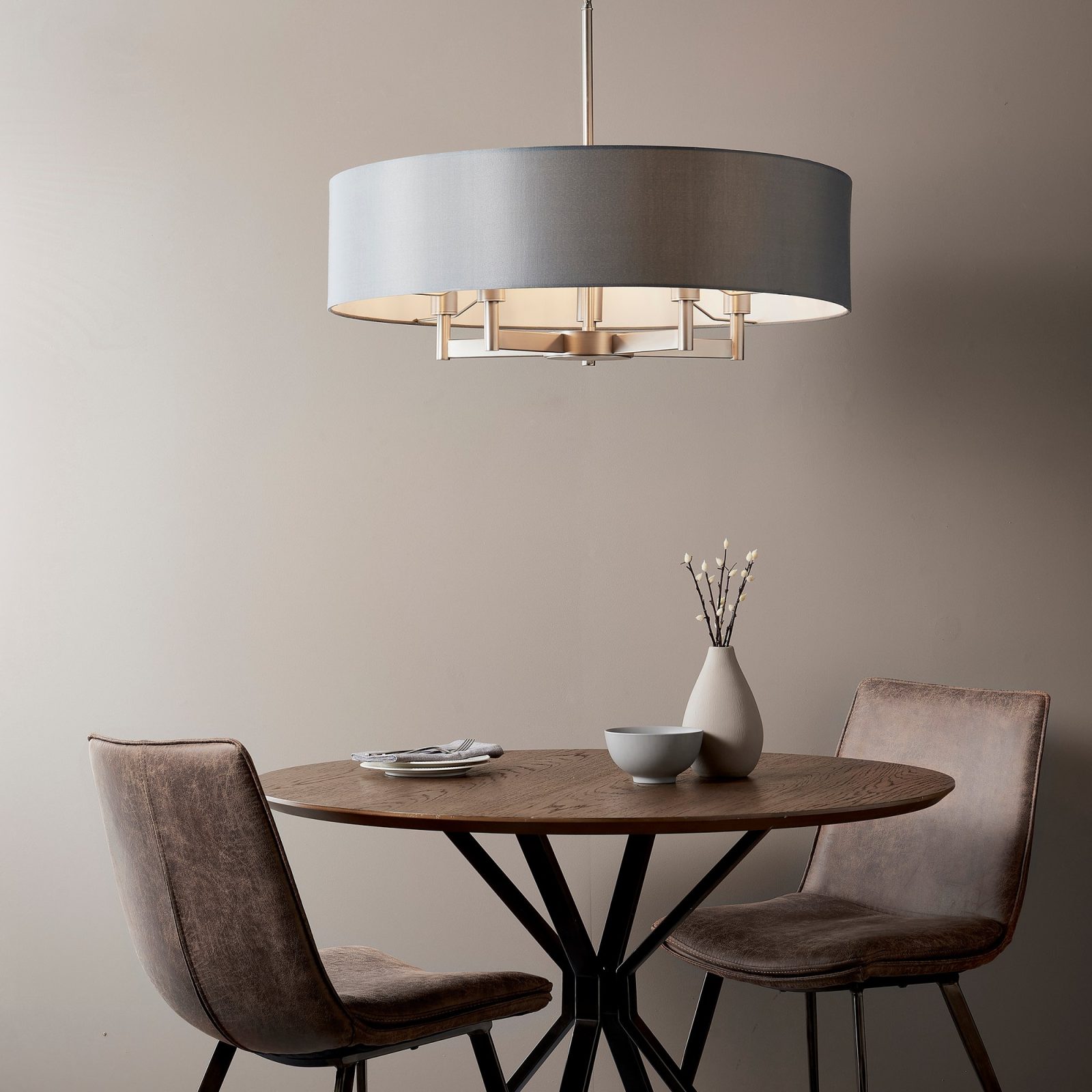
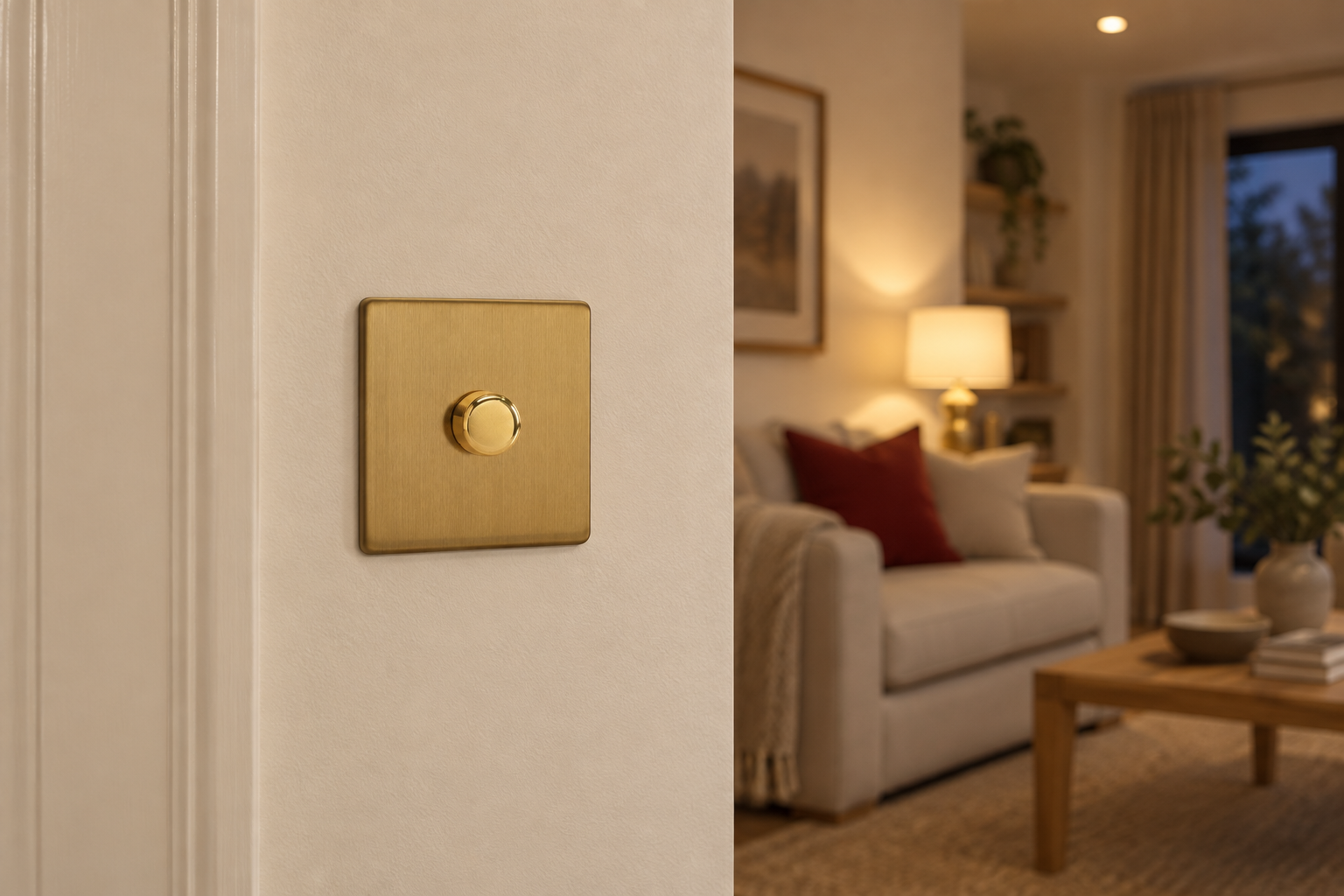
- Dining rooms: 2700K, ideally dimmable, so you can bring the light down for dinner.
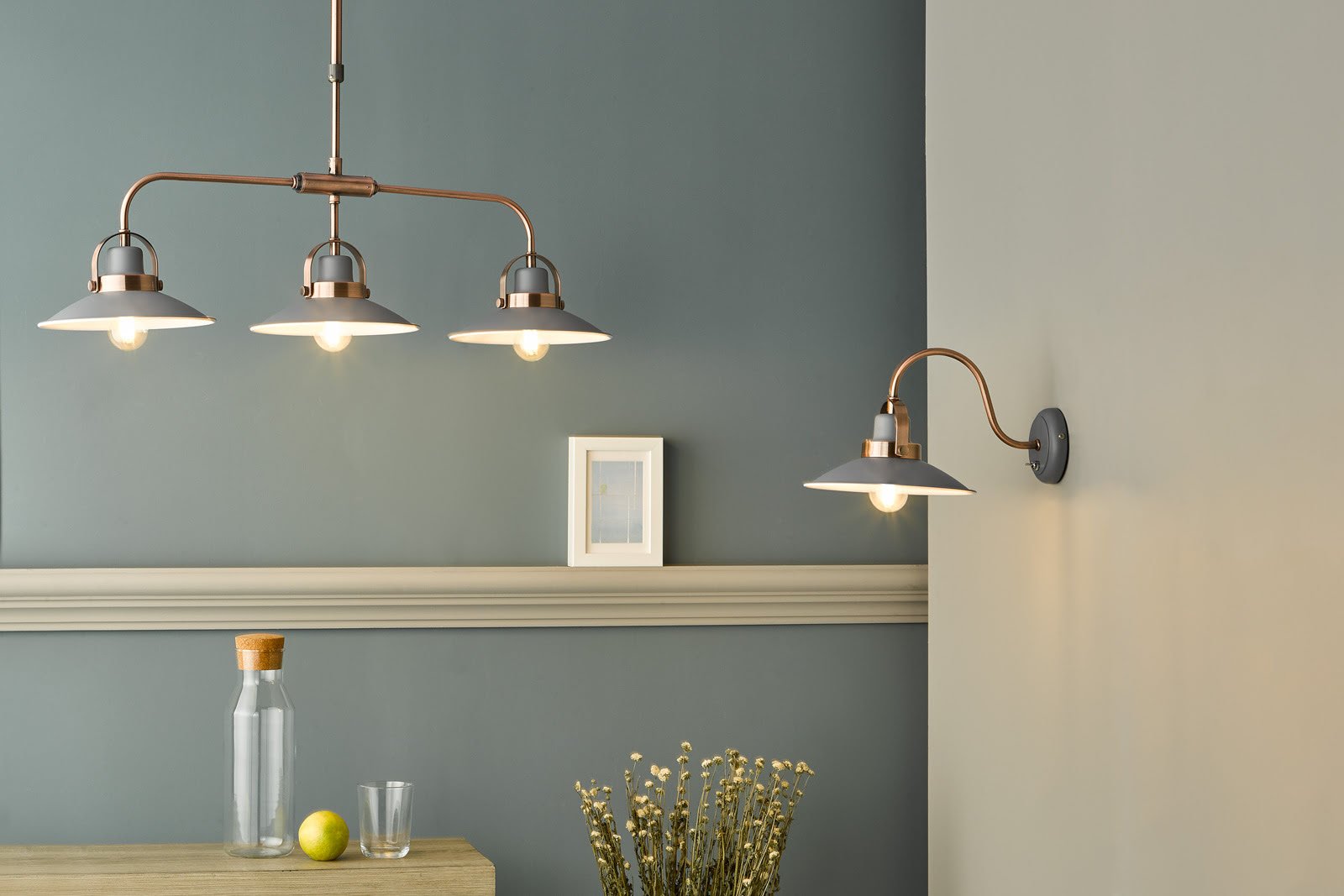
- Kitchens: 2700K to 3000K for a home that feels warm throughout, or 3000K to 4000K under cabinets where you prepare food.
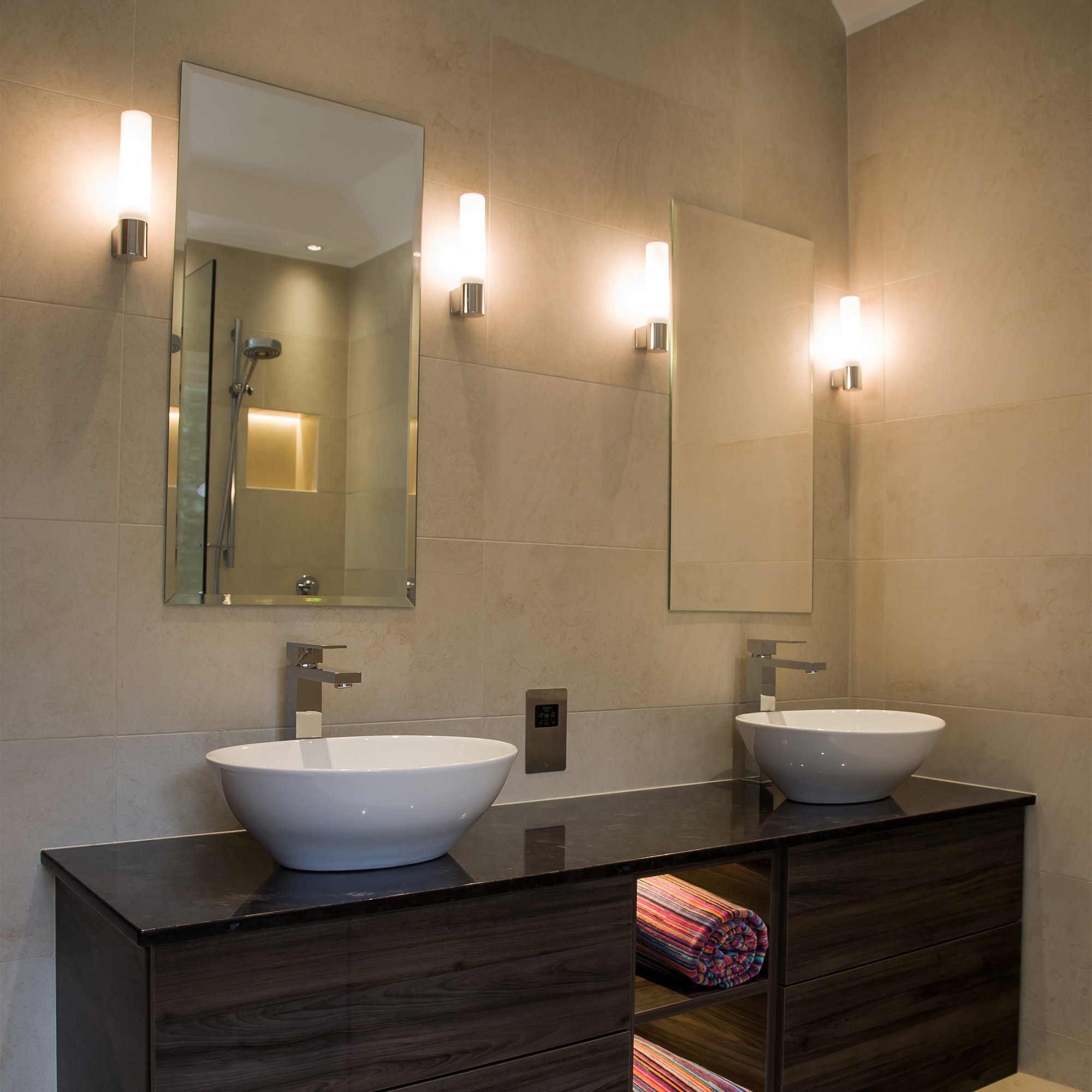
- Bathrooms: 3000K is a good balance - clear enough for the mirror without feeling clinical.
- Home offices: 3000K to 4000K helps you stay alert while working.
One tip: keep the colour temperature the same across a room, and ideally across rooms you can see into from one another. Mixing warm and cool bulbs is the most common reason a room looks "off".
Brightness Is Lumens, Not Watts
LED bulbs use far less power than old bulbs, so watts no longer tell you how bright a bulb is. Look at the lumens (lm) instead.
Scroll sideways to see the whole table.
| Old bulb | Roughly equivalent LED |
|---|---|
| 25W | about 250lm |
| 40W | about 470lm |
| 60W | about 800lm |
| 100W | about 1,500lm |
Integrated LED Lights
Some lights have LEDs built in rather than a replaceable bulb. On those, the colour temperature and lumens are set by the light itself, and we list both on the product page. Some let you switch between warm and cool white.
Need a Hand?
Call our lighting team on 0113 2818 343 and we will help you choose the right bulbs for your lights.